
Participants Visiting Curators Vienna 2026
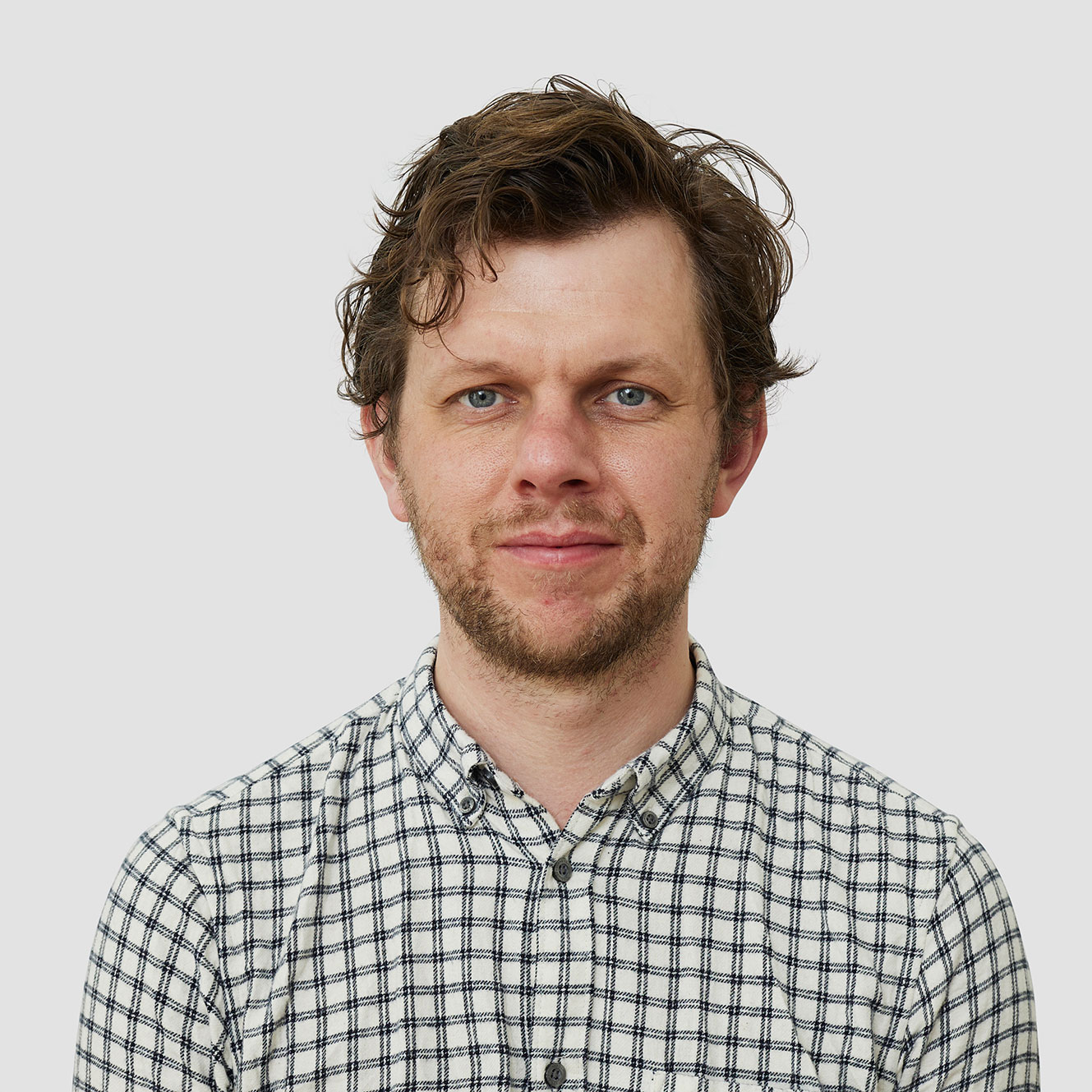
James Clegg (Scotland) is Curator at the University of Edinburgh’s Talbot Rice Gallery. There 16 years, he has originated group and solo exhibitions with dozens of leading international artists, contributing to a contemporary art programme that aims to depolarise public debate around issues impacting people’s lives today. Approaching curating as a creative process he has explored ecological ontologies, Indigenous cultures, debt, lands rights and Children’s Human Rights.
Highlights include Pine’s Eye, an exhibition with 12 artists including Alan Hunt – Hereditary Chief of the Kwakwakaʼwakw (an Indigenous group centred around Alert Bay in British Colombia). Hunt produced new ceremonial masks for the exhibition and travelled with 10 members of the community to perform the Atlakim (dance of the forest spirits) for the first time in history outside Canada. With The Accursed Share, James Clegg drew upon sources including Georges Bataille’s radical economic theory and David Graeber’s extensive study Debt: The first 5,000 years, to create an exhibition linking money and violence at the time of a cost-of-living crisis. The recent exhibition The Children are Now used the emergent ideas gathering around “Childism” to imagine how the empowerment of children might transform the world we live in; whilst The dead don’t go until we do drew connections between artists recognising their responsibility to those who have gone before, whilst being guided their resilience. Solo exhibitions including Candice Lin, Guadalupe Maravilla and Walker and Bromwich – all asking critical, decolonising questions that expose the entanglements of capitalism and knowledge, and celebrate the transformative power of art, community and joy.
James Clegg is currently working on a project to bring together world-building practices from across the UK to counter the reductive anti-migrant narratives of populist politics, foregrounding the diversity that has shaped the Isles of Many Gods. He is also working to support the public programme of the 18th Lyon Biennale of Contemporary Art, drawing on Fluxus and Robert Filliou’s concept of poetic economies.
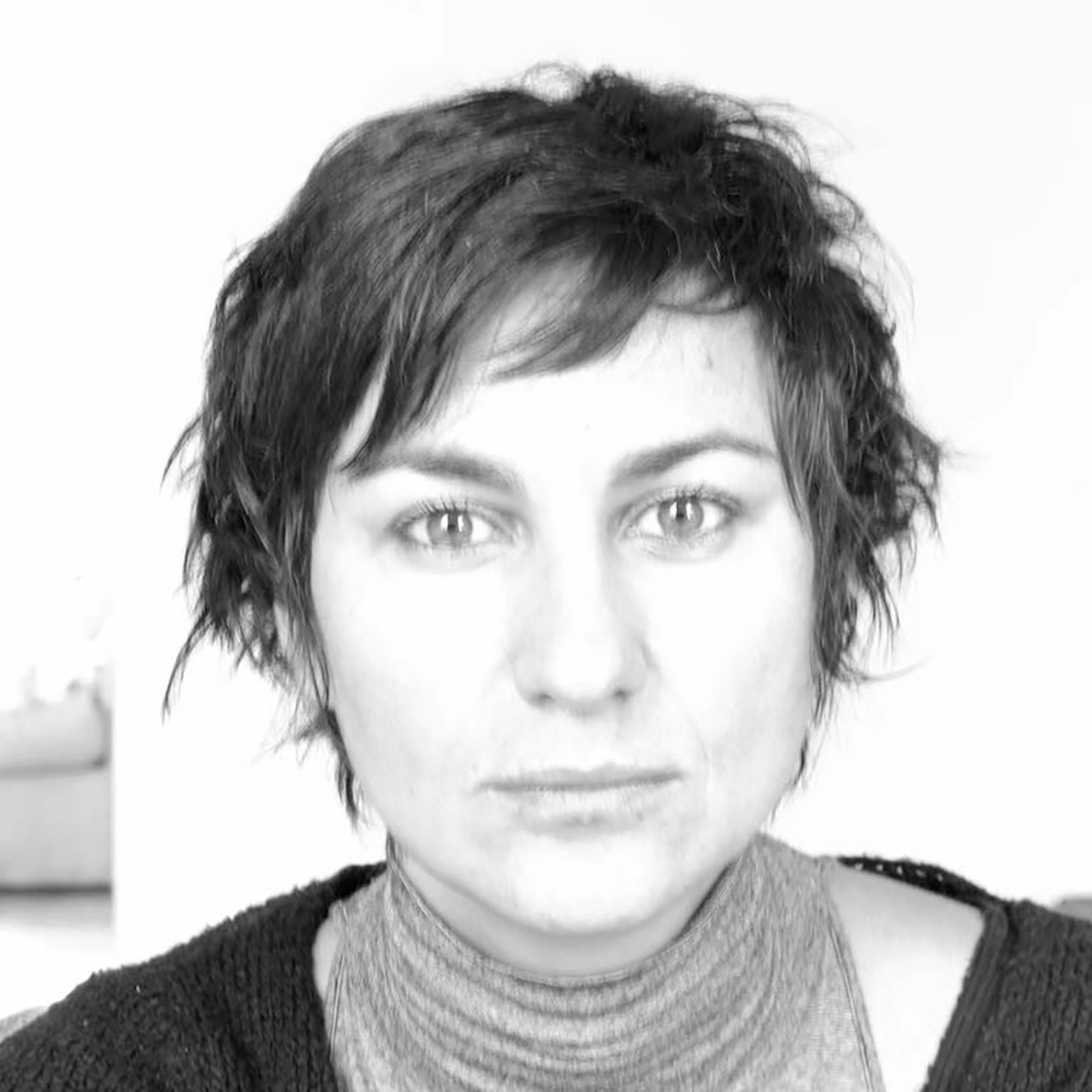
Katia Anguelova (Bulgaria / Italy) is an independent curator who has developed several collaborative cultural projects with art institutions, museums and cultural centres. She creates spaces for dialogue – be it physical, virtual, geographical, textual or imaginary – and while focusing on transversal projects, she attempts to bring together things, people and concepts, to blend different natures in order to discover the world that surrounds us.
She is co-founder and currently co-director of Kunstverein Milano (since 2010): an international network for art production, with sister’s organizations in Amsterdam, Aughrim, Toronto and New York. She is also publisher of artists’ books with Kunstverein Publishing Milano.
In 2019, she directed the Bulgarian Pavilion at the 58th Venice Biennale. She has also worked for Artline, Milano – an open art collection and public art commission of Milan City Council, with an open-air collection of public art (2015–2024) – and was a visiting teacher at HEAD, Geneva, as part of the ‘Construction’ course option (2022–2024).
She was previously artistic director of Ka art, ArtePolino, Matera2019, curator for Jazzi, a research project aimed at advocating a new way of living nature within The Cilento National Park and the Vallo di (Salerno, Italy), curator for Fondazione lettera27 (2010-2014), assistant-curator for Manifesta7 in Trent, Italy (2007-2008), associate-curator at Isola Art Center, Milan (2004-2009).
Katia Anguelova is graduated in History and Theory of Culture at the University of Sofia and afterwards moved to Paris, where she attended DEA and the first part of a PhD at EHESS (Ecole des Hautes Etudes en Sciences Sociales). In 2003-2004, she attended the Curatorial Training Programme at Magasin-CRAC, Grenoble, France.
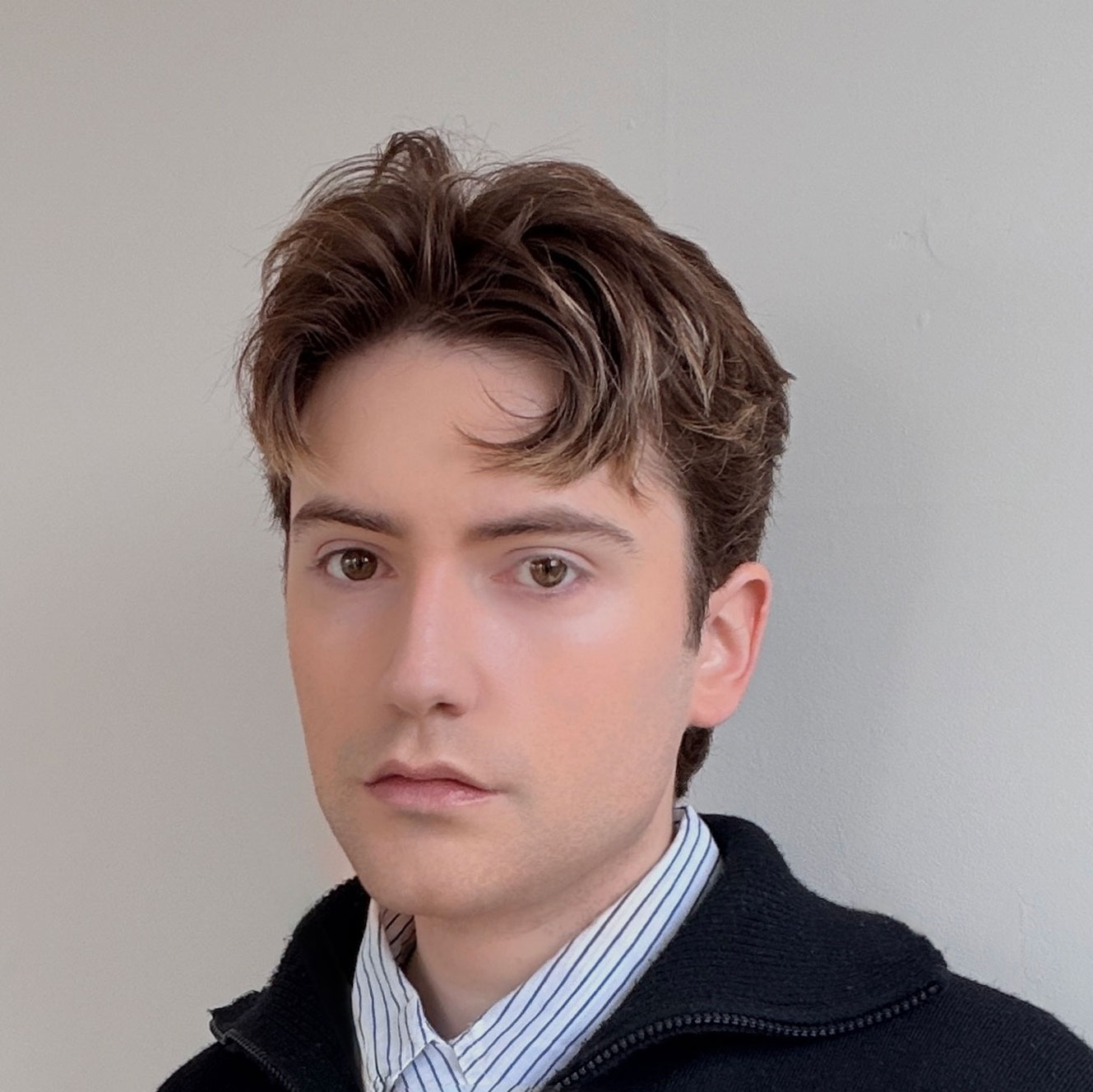
Sergi Rusca (Spain) is a curator based in The Netherlands. His curatorial practice is rooted in intersectional ecology, or how ecological issues are deeply entangled with overlapping systems of oppression. In his work, intersectional ecology is a framework in which to expose modernity’s monoculture and welcome a multiplicity of agencies and perspectives to critically examine the historical formation of systems of power, think the present alternatively, and wish for desirable, polyphonic, and sustainable futures. Essayistic and literary writing is an important aspect of his work, with a particular interest in intertextuality.
He works as curator at RADIUS, center for contemporary art and ecology, Delft, where he has been co-developing the artistic programme since its foundation in 2021. There, he has curated solo exhibitions by artists such as Miriam Hillawi Abraham, Karlos Gil, Werker Collective, Femke Herregraven, and Junghun Kim; and group exhibitions such as Can the Monster Speak? (2025-2026), as of late.
He is also gallery curator at Ellen de Bruijne PROJECTS, Amsterdam, where besides working on solo exhibitions by artists such as SU Hui-Yu, Dora García, Simnikiwe Buhlungu, Pauline Curnier Jardin, and Laëtitia Badaut Haussmann, he has curated special projects such as the seven-week screening programme Semicolons (2023) and the exhibition Sergei Eisenstein | The rhythm of ecstasy: the sex drawings, 1931-1948 (2024).
In addition to exhibition-making, he often does public speaking––most recently at Cas.co Leuven, Eye Filmmuseum, Hortus Botanicus Amsterdam, and several art schools and universities in The Netherlands. Likewise, he engages in educational work, most recently as a tutor in the MSc Architecture, Urbanism, and Building Sciences at the Delft University of Technology.
He holds a BA in Art History from Universitat de Barcelona and an MA in Arts and Society from Universiteit Utrecht.
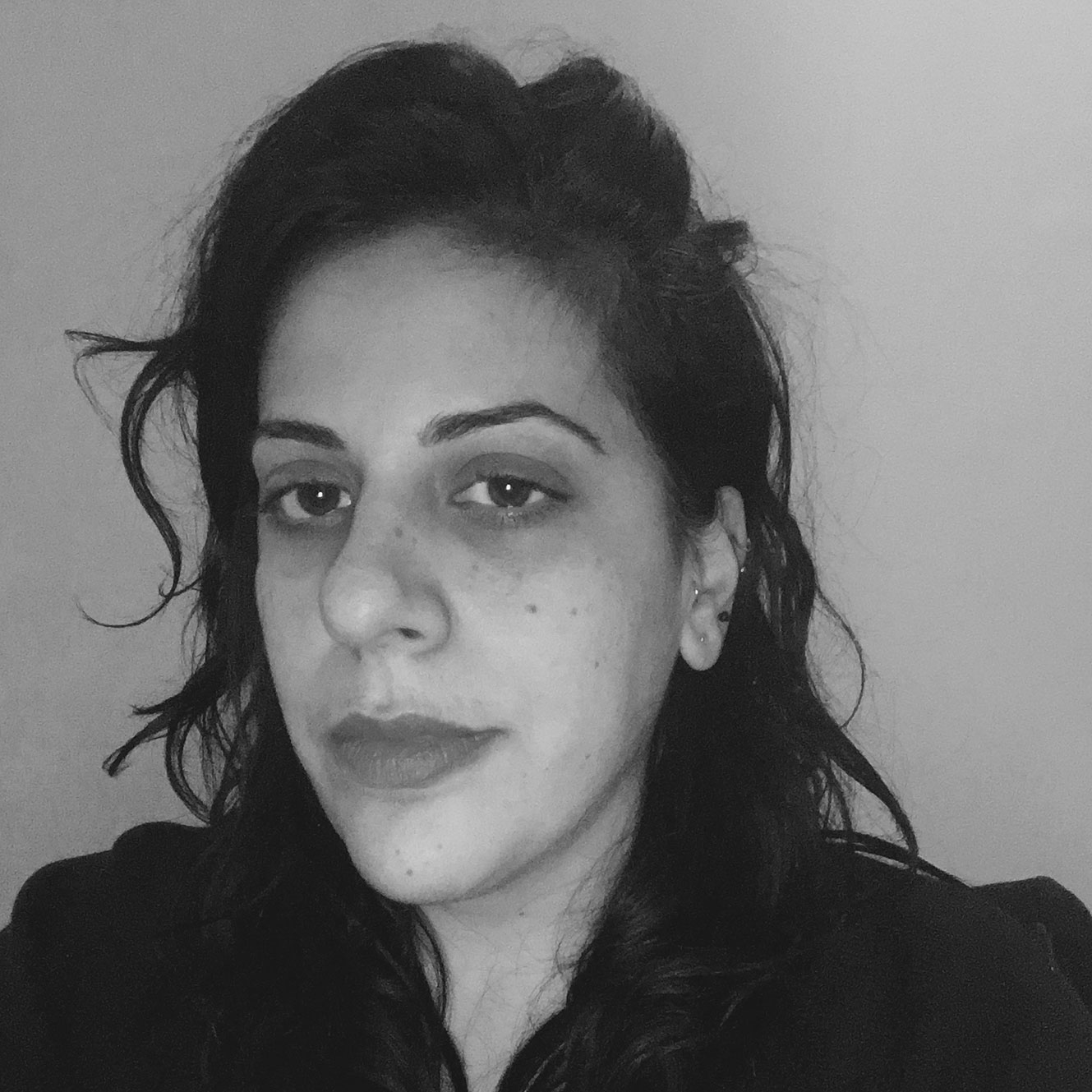
Suzy Halajian (USA) is a curator and writer based in Los Angeles, where she serves as the Executive Director and Curator at JOAN. Her practice focuses on long-term collaborations with artists, critically engaging with the intersections of art, politics, and social histories. She explores strategies of image-making through the lens of colonial histories and contemporary surveillance states. Halajian has curated exhibitions and public programs at institutions such as Los Angeles Contemporary Exhibitions (LACE), ONE Archives at the USC Libraries, the Hammer Museum, and Human Resources Los Angeles, as well as Tanya Bonakdar Gallery (New York), Oregon Contemporary (Portland), Kunstverein (Amsterdam), UKS (Oslo), and the Sursock Museum (Beirut). Her curatorial work and writing have been supported by the Graham Foundation, the Andy Warhol Foundation Arts Writers Grant—for Georgia, a journal she co-founded and co-edits with Anthony Carfello and Shoghig Halajian—and a Curatorial Research Fellowship from the Andy Warhol Foundation for the Visual Arts. Halajian’s writing has appeared in ArteEast, BOMB, Ibraaz, X-TRA, and other publications. She holds an MA from the Center for Curatorial Studies at Bard College and is currently a PhD candidate in the Film and Digital Media program at the University of California, Santa Cruz.
Verein K is an independent arts and cultural organization from Vienna, founded in 2017. Verein K focuses on projects in the field of contemporary art and culture connecting diverse cultural and social interests: critical approaches to contemporary art, creating curatorial platforms as well as enabling innovative cultural practices including diverse social groups.